Pertama dalam 30 Tahun, Ekspor Minyak Kuwait Nol!
Dailynesia.com – Announced by the Kuwaiti government, the country has experienced a historic milestone in its energy sector, marking the first time in over three decades that its crude oil exports have reached zero. This announcement came amidst growing geopolitical tensions in the Middle East, particularly following the recent escalation of conflicts in the Gulf region. Since early April 2026, Kuwait has been unable to ship its crude oil due to a combination of factors, including disruptions in the supply chain and heightened security risks. The situation has been exacerbated by the ongoing instability in the Persian Gulf, which has raised concerns about the continuity of global energy trade.
Penyebab Kehilangan Pasar Ekspor
The decision to halt crude oil exports was Announced after a thorough assessment of the region’s security dynamics. Kuwait’s oil industry, which has long been a cornerstone of the national economy, faced operational challenges as a result of the conflict. While the country’s oil production continued to operate at full capacity, the inability to transport the crude oil to international markets has left the nation in a precarious position. This development highlights the vulnerability of energy-dependent economies to regional conflicts, as even the most stable supply chains can be disrupted by sudden geopolitical shifts.
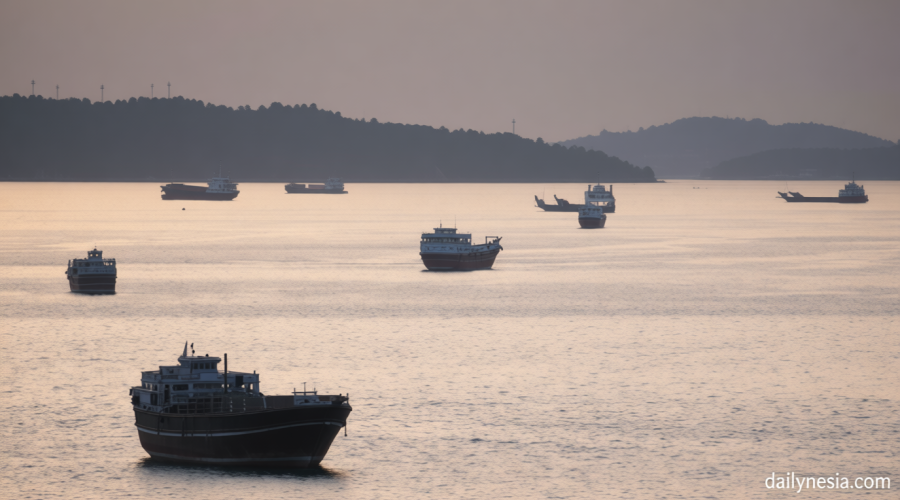
Announced by officials, the export suspension is also linked to the strategic importance of the Strait of Hormuz, a critical chokepoint for global oil trade. The area has become a focal point for tensions between major powers, with reports indicating that several key shipping routes were temporarily blocked. Kuwait, being a key player in the region, Announced its response to these challenges by prioritizing domestic stockpiles and shifting focus to refined products for export. This adjustment reflects a broader strategy to mitigate the economic impact of the crisis while maintaining some level of international trade.
Dampak pada Pasar Global
The Announced halt in crude oil exports has sent shockwaves through the global energy market. With Kuwait’s production capacity remaining intact, the immediate effect is a reduction in the supply of crude oil, which could influence oil prices and market dynamics. Analysts warn that this situation may lead to increased volatility, as the market scrambles to adjust to the sudden loss of a significant supplier. The Announced export suspension also underscores the fragility of the global energy network, which relies heavily on the stability of the Middle East.
Announced in the latest statements, the crisis has prompted oil-producing nations to reassess their strategies. While Kuwait focuses on internal distribution, neighboring countries such as Saudi Arabia and the United Arab Emirates have taken steps to bolster their own exports. These Announced actions aim to compensate for the shortfall in Kuwait’s crude oil shipments and stabilize the global supply chain. However, the long-term implications remain uncertain, as the disruption in the Strait of Hormuz could affect more than just Kuwait’s exports.
Announced by international energy organizations, the potential impact of the export halt has been widely discussed. The Organization of the Petroleum Exporting Countries (OPEC) has emphasized the need for coordination among member states to manage the crisis effectively. Meanwhile, global traders are closely monitoring the situation, with some predicting a temporary increase in oil prices. The Announced suspension also serves as a reminder of the interconnectedness of the world’s energy markets, where disruptions in one region can have far-reaching consequences.
Announced in response to the growing tensions, Kuwait’s government has taken measures to ensure that its domestic energy needs are met. This includes ramping up production of refined products and utilizing existing storage facilities to sustain the market. While the immediate export halt has caused concern, the Announced strategy suggests a focus on resilience and adaptability. The country’s ability to navigate this crisis will be a key indicator of its economic strength and diplomatic agility in the region.