New Policy: Bappenas-GGGI Collaboration Creates 271,095 Green Jobs, OTW Projects
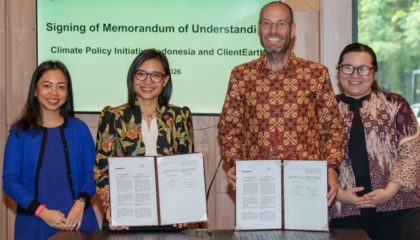
Dailynesia.com – Has sparked significant momentum in Indonesia’s sustainable development agenda, with a landmark partnership between the Ministry of State-Owned Enterprises (Bappenas) and the Global Green Growth Institute (GGGI) creating 271,095 green jobs and advancing new projects under the One Tambora (OTW) framework. This initiative underscores the government’s commitment to aligning economic growth with environmental stewardship, offering a blueprint for long-term resilience and innovation. The collaboration, which has been active for over a decade, is now entering a more ambitious phase, aiming to scale up green investments and transform traditional industries into eco-friendly models.
Transforming Green Economy Through Strategic Partnerships
Under the New Policy, the Bappenas-GGGI partnership has not only fostered job creation but also streamlined financing mechanisms to support climate-conscious projects. The joint efforts have already achieved notable outcomes, including a reduction of 183.54 million tons of CO₂ emissions and the mobilization of approximately US$776.5 million in sustainable investments. These funds are allocated to critical sectors such as renewable energy, urban development, social forestry, and the blue economy, which collectively aim to reduce carbon footprints while boosting economic activity.
Key to the success of the New Policy is its emphasis on integrating environmental considerations into national development plans. By prioritizing green infrastructure and sustainable practices, the partnership ensures that new projects contribute to both national prosperity and global climate goals. This approach has been particularly vital in addressing the triple planetary crisis—climate change, biodiversity loss, and environmental degradation—through targeted interventions and policy frameworks.
Green Indonesia Future Initiative (GIFT): Expanding the Vision
The New Policy has evolved into the Green Indonesia Future Initiative (GIFT) 2026-2030, a forward-looking strategy designed to amplify Indonesia’s climate ambitions. Set to be launched on 4 June 2026 in Jakarta, GIFT marks a pivotal step in embedding sustainability into the country’s economic fabric. The initiative sets a bold target of US$2 billion in green financing by 2030, doubling the cumulative investments achieved during the previous phase. This expansion reflects the urgency of climate challenges and the need for systemic change.
“The name GIFT encapsulates our commitment to ensure that current development efforts prioritize both present needs and future generations. After integrating the principles of the green economy into national planning, the challenge lies in executing these plans effectively,” stated Deputy Director of the Ministry of State-Owned Enterprises for Food, Natural Resources, and Environmental Life, Leonardo A. A. Teguh Sambodo, in a press release on Tuesday (2/6/2026).
Leonardo highlighted that the New Policy is essential for navigating the complexities of climate adaptation and mitigation. With Indonesia facing projected economic losses from climate change—estimated to rise fourfold from Rp469 trillion in 2025 to Rp2.005 trillion in 2029 if urgent action is not taken—the initiative aims to provide financial incentives and reduce investment risks. By leveraging international expertise and local resources, GIFT is expected to foster more resilient and inclusive economic growth.
“The GIFT initiative is a cornerstone for Indonesia’s sustainable development. It not only creates opportunities for green financing but also ensures that high-impact projects are supported with long-term viability,” added Director of Environmental Life at Bappenas, Nizhar Marizi. “This New Policy will serve as a catalyst for the next phase of Indonesia’s environmental and economic transformation.”
As part of the New Policy, the partnership with GGGI is also strengthening Indonesia’s biodiversity strategy through the Indonesian Biodiversity Strategy and Action Plan (IBSAP) 2025-2045. This plan complements the National Adaptation Plan (NAP) 2026-2030, which is designed to enhance the country’s capacity to respond to climate-induced disruptions. Together, these frameworks demonstrate a holistic approach to achieving green growth, ensuring that economic progress does not come at the expense of ecological balance.
The New Policy has been lauded for its ability to bridge the gap between policy and implementation. By providing clear guidelines and financial tools, it empowers stakeholders to drive green projects across various sectors. This collaborative model is expected to create a ripple effect, inspiring other nations and organizations to adopt similar strategies. As the initiative gains traction, the focus will remain on measurable outcomes, with the ultimate goal of establishing a self-sustaining green economy that benefits both people and the planet.