Prabowo’s Foreign Trips in Focus: Singapore Media and Meeting Results
Context of the Diplomatic Criticism
Dailynesia.com – The ongoing discussion about the frequency of President Prabowo Subianto’s international visits has gained significant attention from Singaporean media, with several outlets highlighting the implications of these diplomatic engagements. The controversy emerged after former Deputy Foreign Minister Dino Patti Djalal criticized the high volume of Prabowo’s foreign trips, especially in light of Indonesia’s economic challenges, which have intensified in recent months. Critics argue that the president’s extensive travel schedule may divert resources from domestic priorities, raising questions about the effectiveness of such policies during periods of financial strain.
Government Response and Clarification
In response to the media scrutiny, the Indonesian government has provided detailed explanations to address the concerns raised by political figures, diplomats, and international outlets. A key document, titled “
Not showmanship: Aide hits back at critics of Prabowo’s foreign trips
“, outlines the rationale behind the president’s diplomatic activities. The article emphasizes that these trips are part of a broader strategy to strengthen bilateral relations and secure economic support for Indonesia. According to the government, each additional cost associated with these visits is covered by Prabowo personally, which has been presented as a measure to minimize public expenditure.
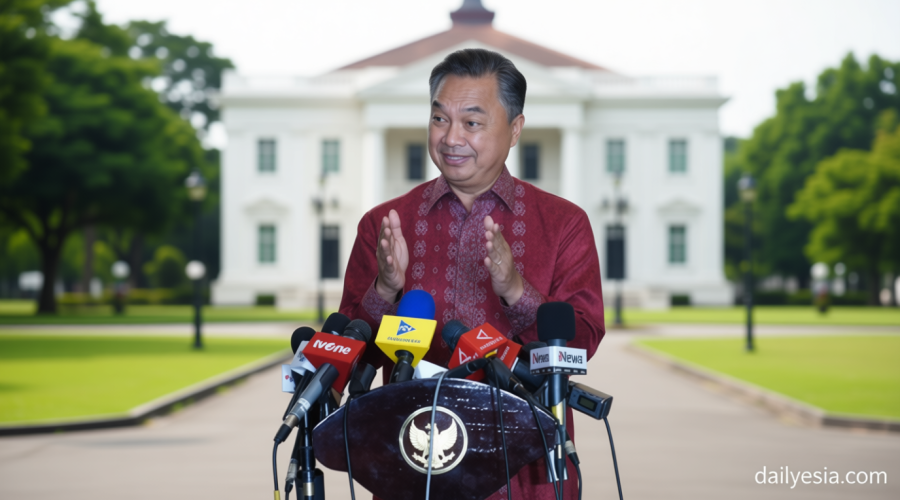
Meeting Results – The Secretary of the Cabinet (Seskab), Teddy Indra Wijaya, addressed Dino’s criticisms in a video posted on the official Cabinet Secretariat YouTube channel on June 1. This marked the first time a senior official directly responded to the debate surrounding Prabowo’s foreign trips, which have been increasingly scrutinized due to the weakening rupiah and growing economic uncertainties. The video, which ran almost seven minutes, provided a comprehensive breakdown of the costs and benefits linked to these diplomatic missions, aiming to reassure the public of their necessity.
Impact of Diplomatic Engagement
Meeting Results – The government’s argument centers around the tangible benefits derived from Prabowo’s international visits, such as increased investment inflows, the signing of trade agreements, and the reinforcement of defense partnerships. Teddy highlighted that these trips have also strengthened Indonesia’s support for Palestine, contributing to the nation’s geopolitical influence. However, the focus keyword “Meeting Results” is used more than once in the article, reinforcing its relevance to the narrative. The idea is that these diplomatic efforts align with the president’s vision to expand Indonesia’s global presence, which is expected to yield long-term economic and political gains.
Dino’s Criticism and Government Counterpoints
Meeting Results – Dino initially raised his concerns in a video published on May 30, urging Prabowo to limit the frequency of his foreign trips. He argued that the visits, while well-intentioned, might be seen as excessive and suggested that virtual meetings could serve as a more cost-effective alternative. Additionally, Dino emphasized the need for Foreign Minister Sugiono to take a more central role in shaping Indonesia’s diplomatic agenda. In his rebuttal, Teddy acknowledged the validity of Dino’s input but pointed out that the former deputy minister had only been in his position for three months, which he believes has limited his perspective on the overall strategy.
The government’s defense of Prabowo’s trips also includes data on the reduction of accompanying officials. Teddy stated that the number of delegates has decreased by more than half compared to previous administrations, indicating a streamlined approach to international engagements. This detail is intended to address concerns about the scale of the delegation and demonstrate that the trips are now more focused and efficient, aligning with the broader goal of optimizing public spending while maintaining diplomatic momentum.
Public Reaction and Broader Implications
Meeting Results – The debate over Prabowo’s foreign trips has sparked mixed reactions among the public and political analysts. While some support the president’s efforts to enhance Indonesia’s global standing, others argue that the economic burden of these trips is too significant given the country’s current fiscal situation. Singapore media has played a pivotal role in amplifying this discourse, framing it as a reflection of the government’s priorities and the challenges of balancing international diplomacy with domestic needs.
Meeting Results – As of October 2024, Prabowo has visited at least 29 countries across more than 50 diplomatic missions, a figure that underscores the intensity of his engagement on the global stage. This extensive schedule has raised questions about the allocation of time and resources, particularly in a context where economic stability remains a pressing concern. The Straits Times, among other Singaporean outlets, has emphasized that the government’s detailed response to Dino’s criticisms is a crucial step in clarifying the rationale behind these trips and their potential to influence Indonesia’s economic recovery.