
QRIS Cross-Border Transactions in ASEAN-China Face Challenges
Dailynesia.com – Facing Challenges, the expansion of QRIS (Quick Response Code Indonesian Standard) into cross-border markets between ASEAN and China has become a focal point for financial integration in the region. Bank Indonesia has been actively developing QRIS to serve international markets, including countries like Thailand, Malaysia, Singapore, the Philippines, Vietnam, Laos, Brunei Darussalam, Japan, and South Korea. However, as the initiative moves toward China, new obstacles are emerging that could affect its effectiveness. These challenges, both technical and operational, are critical to address for seamless digital payment systems across the ASEAN-China economic corridor.
Payment Gateway’s Role in Enhancing QRIS Lintas Negara
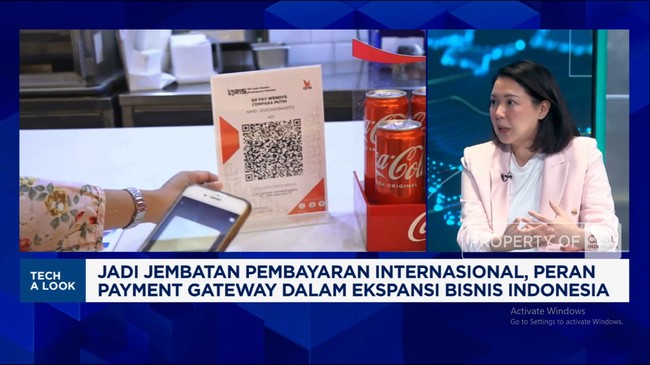
Payment Gateways act as intermediaries in digital transactions, connecting consumers with merchants and facilitating secure, efficient payments. In the context of QRIS, these gateways are essential for enabling cross-border commerce by ensuring compatibility between different financial systems. Alison Jap, a member of the Ethics Board of the Indonesia FinTech Association (AFTECH), emphasizes that the integration of payment gateways can significantly improve the quality and efficiency of QRIS transactions. “By supporting multiple currencies and currencies, payment gateways help businesses and consumers navigate international markets with greater confidence,” she explains.
“Payment gateways are crucial for bridging the gap between domestic and international payment systems,” says Alison Jap. “Their role in QRIS cross-border transactions cannot be overstated, especially as we aim to build a unified digital economy across ASEAN and China.”
Key Challenges in QRIS Cross-Border Transactions
Despite its potential, QRIS faces several challenges in the ASEAN-China context. One of the primary issues is the high transaction costs associated with cross-border payments, which can deter small and medium-sized enterprises (SMEs) from adopting the system. Additionally, fluctuations in exchange rates pose a risk, as they can affect the value of transactions and create uncertainty for both buyers and sellers. Alison Jap highlights that maintaining consumer and business trust is paramount, especially in regions with diverse regulatory environments.
“The key to successful QRIS implementation lies in addressing these challenges head-on,” Alison Jap adds. “Whether it’s reducing transaction costs or ensuring currency stability, every step taken to mitigate risks will strengthen the system’s reliability.”
Technical infrastructure is another hurdle. While QRIS has been widely adopted in Indonesia, its integration with China’s digital payment ecosystem requires extensive testing and adaptation. Differences in payment protocols, network connectivity, and data security standards can slow down the process. Furthermore, consumer behavior varies across countries, with some markets showing higher adoption rates for digital payments than others. Alison Jap notes that education and awareness campaigns are needed to encourage broader acceptance of QRIS in China.
Strategies to Overcome Challenges and Drive Growth
To overcome these obstacles, stakeholders are exploring various strategies. Collaboration between financial institutions, technology providers, and regulatory bodies is seen as a vital step toward creating a unified cross-border payment framework. For instance, partnerships between Indonesian banks and Chinese payment platforms can help streamline transactions and reduce latency. Additionally, investing in advanced payment gateway technologies that support multi-currency transactions and real-time currency conversion is expected to enhance user experience.
“The future of QRIS in ASEAN-China depends on our ability to adapt and innovate,” Alison Jap states. “By focusing on solutions like dynamic currency exchange and secure data protocols, we can turn these challenges into opportunities for growth.”
Another approach is to leverage existing digital payment systems in China, such as Alipay and WeChat Pay, to complement QRIS. This hybrid model could allow businesses to cater to local preferences while maintaining the benefits of QRIS, such as faster processing times and lower fees. Alison Jap suggests that such integration would require harmonizing technical standards and fostering mutual trust between the two regions. “The goal is not to replace local systems, but to create a seamless, interoperable network that serves both Indonesian and Chinese consumers,” she clarifies.
Facing Challenges in cross-border transactions also requires addressing consumer concerns. Many businesses in China remain hesitant to adopt QRIS due to fears of fraud or insufficient support in case of disputes. To alleviate these worries, payment gateways must offer robust security features, such as end-to-end encryption and real-time transaction monitoring. Additionally, clear dispute resolution mechanisms are essential to ensure that both parties can trust the system. By prioritizing transparency and security, QRIS can gain more traction in the Chinese market.
Finally, the expansion of QRIS into China is being closely monitored by international financial organizations. These bodies are evaluating the impact of the system on trade and economic cooperation between ASEAN and China. Alison Jap believes that with continued investment and collaboration, QRIS can become a cornerstone of digital commerce in the region. “Facing Challenges is part of the process, but the rewards of a unified payment system are well worth the effort,” she concludes. As the initiative progresses, the focus will remain on ensuring that QRIS not only meets the needs of businesses but also aligns with the broader goals of economic integration.