
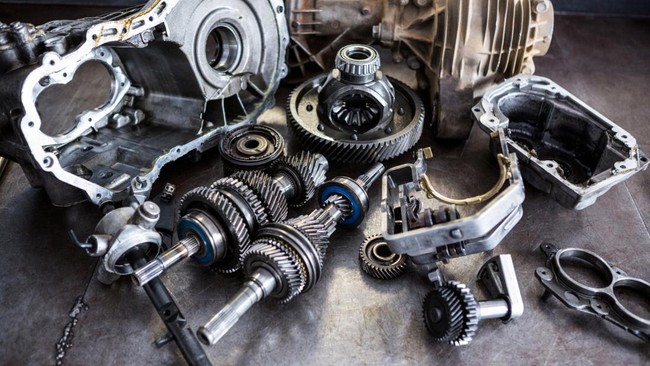
China’s 30-Million Automotive Components Production: A Major Challenge for Indonesia
Dailynesia.com – Indonesia faces significant challenges as China continues to dominate the global automotive components market. With the ability to produce 30 million units annually, Tiongkok’s scale and cost-effectiveness have created a formidable barrier for local producers. This surge in production highlights the growing competition in the sector, where Indonesian companies must now navigate not only domestic challenges but also international pressures. Facing Challenges in maintaining market share, the country’s automotive industry is under scrutiny as global demand shifts toward cheaper, high-quality alternatives from China.
The Power of Scale: China’s Dominance in Production
According to Sekretaris Jenderal GIAMM Rachmad Basuki, China’s massive production capacity is a key factor in its market leadership. “Produksi mobil Tiongkok mencapai 30 juta unit setiap tahun, sedangkan Indonesia hanya mampu menghasilkan sekitar 1,3 juta unit,” he explained. This disparity in volume allows Chinese manufacturers to offer competitive pricing, which has disrupted traditional trade dynamics. Facing Challenges, Indonesian companies must now find ways to either match these efficiencies or differentiate through quality and innovation.
“Kita harus bersaing dengan Tiongkok. Karena volumenya sangat besar, harga komponennya menjadi sangat kompetitif. Itu yang harus kita hadapi,” kata Rachmad Basuki.
Indonesia’s Competitive Edge: Export Opportunities and Challenges
While Indonesia has successfully exported automotive components to markets like the US, Japan, and Europe, the presence of Chinese products continues to pose a threat. Facing Challenges in maintaining export competitiveness, local producers must adapt to global standards and reduce production costs. Rachmad noted that China’s products not only dominate the automotive sector but also permeate other consumer goods markets, further intensifying the pressure on Indonesian industries. “Produk-produk Tiongkok yang masuk ke Indonesia mencakup berbagai barang konsumsi dengan harga terjangkau,” he added, emphasizing the need for a broader strategy.
Strategic Lessons from China’s Model
Rachmad Basuki highlighted the importance of learning from China’s successful business model. The combination of low costs and consistent quality has enabled Chinese manufacturers to capture a large global market. Facing Challenges, Indonesia must adopt similar strategies to enhance its position. “Yang perlu kita pelajari adalah bagaimana mereka menghasilkan produk murah namun berkualitas, lalu mampu menjangkau pasar global,” he said. This insight underscores the necessity of integrating advanced technology and optimizing supply chains to remain viable in an increasingly competitive landscape.
Government and Industry Collaboration: A Path Forward
To address the challenges posed by China’s dominance, the Indonesian government and industry stakeholders are exploring collaborative strategies. Initiatives such as tax incentives, infrastructure development, and export facilitation programs are being considered to support local manufacturers. Facing Challenges in attracting foreign investment and improving production efficiency, the focus is on creating an environment where domestic producers can thrive. By aligning with international standards and fostering innovation, Indonesia aims to strengthen its automotive components industry.
Future Outlook: Can Indonesia Adapt?
The automotive components sector in Indonesia is at a critical juncture. Facing Challenges from global market trends, the industry must evolve to meet changing demands. With 30 million units produced annually by China, the pressure to innovate and reduce costs is immense. However, experts remain optimistic, noting that Indonesia’s strategic location and skilled labor force provide a unique advantage. The key lies in leveraging these strengths while addressing structural weaknesses to ensure long-term competitiveness.
As the market evolves, the focus keyword “Facing Challenges” continues to resonate across discussions about Indonesia’s automotive industry. By embracing new technologies, improving logistics, and strengthening partnerships, the country can transform its challenges into opportunities. The path forward requires a concerted effort from both the public and private sectors, ensuring that Indonesia’s automotive components industry remains relevant in the global market.