New Policy to Address CPO Export Price Manipulation in Indonesia
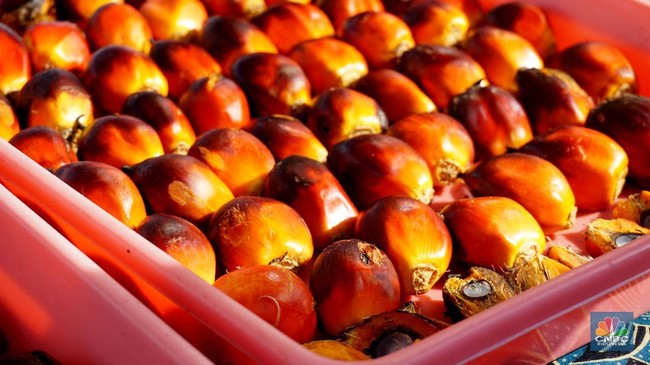
Dailynesia.com – Indonesia’s new policy has drawn significant attention as it aims to tackle the long-standing issue of manipulated CPO (crude palm oil) export prices. This policy comes in response to reports of discrepancies between the volume of CPO exports and the international prices paid for the product, raising concerns about unfair trade practices. Experts have pointed out that such manipulations have been occurring for years, affecting the country’s revenue and fair competition in global markets. The new policy is expected to introduce stricter oversight and transparency measures to curb these practices, marking a critical shift in how the nation manages its palm oil exports.
Price Discrepancies in International Markets
Recent studies by NEXT Indonesia have highlighted the extent of price manipulation in the CPO export sector. The data reveals a substantial gap between the import prices set for Indonesian CPO in regional hubs like Singapore and the final selling prices in global markets. For instance, CPO imported from Indonesia to Singapore typically fetches between US$600 and US$1,300 per ton, but when resold internationally, the price can soar to US$1,000 to US$1,900 per ton. This difference, which reached a peak of US$634 per ton in 2022, underscores the potential for exporters to inflate costs artificially, often to the detriment of the state and international buyers.
“Dari data yang ada, tindakan ini sudah berlangsung lama,” ujarnya saat ditemui oleh CNBC Indonesia pada hari Kamis, 21 Mei 2026.
According to Tungkot Sipayung, director of the Palm Oil Agribusiness Strategic Policy Institute (PASPI), these discrepancies are not new but have persisted due to systemic weaknesses in export monitoring. He emphasized that the new policy could serve as a corrective mechanism to ensure that CPO exports align with fair market rates. The policy is also seen as a response to the government’s growing scrutiny of the sector, which has been under pressure to reform its trade practices to meet international standards and protect domestic interests.
Weaknesses in the Current Supervision System
The existing supervision system has been criticized for its inability to track and prevent under invoicing or transfer pricing strategies. These practices allow exporters to record lower values for their CPO shipments, thereby reducing the amount of tax revenue and export tariffs collected. Tungkot Sipayung noted that this issue has been exacerbated by the lack of capacity within Indonesia’s customs authority, as well as the presence of unscrupulous exporters who exploit these loopholes.
“Penyebabnya melibatkan eksportir tidak bermoral serta kekurangan kapasitas lembaga bea cukai kita. Hal ini juga disebutkan oleh Presiden dalam pidatonya beberapa hari lalu,” tambahnya.
Under the new policy, the government plans to enhance transparency by requiring detailed documentation of all transactions, including prices and volumes, to be verified at the shipper level. This shift aims to ensure that each export is accurately reported, reducing the risk of undervaluation. The policy also includes provisions for stricter penalties for those found guilty of price manipulation, which could act as a deterrent for future violations.
Key Cases Identified by the Ministry of Finance
Minister of Finance Purbaya Yudhi Sadewa has revealed that 10 major palm oil companies are under investigation for suspected price manipulation. These companies are alleged to have under invoiced their exports, leading to a significant drop in state revenue. For example, one company was found to have recorded an export price of US$2.6 million per ton, while the final selling price in the United States reached US$4.2 million per ton—a 57% difference. Another case saw a company’s export price at US$1.44 million per ton, which jumped to US$4 million per ton in the U.S. market, a 200% increase.
“Perbedaan harganya mencapai 57%,” jelasnya. “Ada kasus yang lebih mengejutkan lagi. Salah satu perusahaan lainnya mencatatkan harga ekspor US$1,44 juta, tetapi saat dijual ke AS, harganya melonjak menjadi US$4 juta. Tingkat perubahan harganya mencapai 200%.” Menurut Purbaya, pihaknya mencoba mendeteksi perusahaan-perusahaan tersebut secara kapal demi kapal.
The Ministry of Finance is now focusing on scrutinizing each shipment to identify discrepancies and hold accountable those responsible. This effort is part of the new policy’s broader strategy to ensure that CPO exports are priced fairly and that the government receives its due share of revenue. The policy also emphasizes collaboration between various agencies to streamline monitoring and enforcement processes, which had previously been fragmented and inefficient.
Implications for Indonesia’s Economy and Trade Relations
The implementation of this new policy is expected to have a profound impact on Indonesia’s economy. By addressing price manipulation, the government aims to stabilize the CPO export market and prevent revenue losses. Additionally, the policy could improve Indonesia’s trade relations with other countries, as it demonstrates a commitment to transparency and fair pricing. This move may also encourage foreign investors to view the Indonesian palm oil sector as more reliable and competitive, potentially boosting exports in the long term.
However, challenges remain. The policy requires coordination across multiple sectors, including agriculture, finance, and customs. Ensuring compliance may take time, especially as some exporters have been operating under the old system for years. Experts believe that while the new policy is a step in the right direction, sustained enforcement and public awareness are essential to fully address the issue. As the policy rolls out, its success will depend on how effectively these measures are applied and adapted to the evolving market dynamics.